
Daniel Rathbone
Deputy Executive Director
Overall Picture
In current (cash) prices, we have seen substantial increases in overall R&D expenditure by the Government since 2016. This trend has continued in the latest ONS figures for 2024, with an overall increase of 11.6% from £18.3 bn in 2023, to £20.4bn in 2024. These annual increases are a positive outcome for R&D and demonstrate that the previous Government followed through on its commitment to increase public investment in R&D.
Overall, excluding defence, R&D expenditure is now 80% higher in cash terms than it was in 2016 and 40% higher when adjusted for inflation. This is a very substantial increase. The effect of inflation means that much of the real terms increase happened in the period 2016-2020. It is not possible to include defence expenditure before 2019 as the figures are not directly comparable due to a change of methodology in 2018. Defence R&D spending has more than doubled from £1.22bn in 2019 to £3.07bn in 2024.
It is critical that the breadth of UK R&D continues to be supported by the UK Government if R&D is to drive economic growth and deliver wide-ranging benefits to society. This is why it was a positive step that the Government is maintaining the high level of R&D investment across the spending review period to 2030.
UKRI expenditure on R&D
A greater proportion of this increase has been seen in Government departments than in UK Research and Innovation (UKRI) and Higher Education Funding Bodies. We observe a continued downward trend in the proportion that UKRI make of the total R&D expenditure by the Government (excluding EU budget contributions), from 42% of expenditure in 2019 to 36% in 2024.
Meanwhile, there has been a steady increase in the proportion of departmental R&D expenditure within civil departments and the Ministry of Defence across the same period, from 26% to 30 % and 8.3% to 16%, respectively.
Related resources
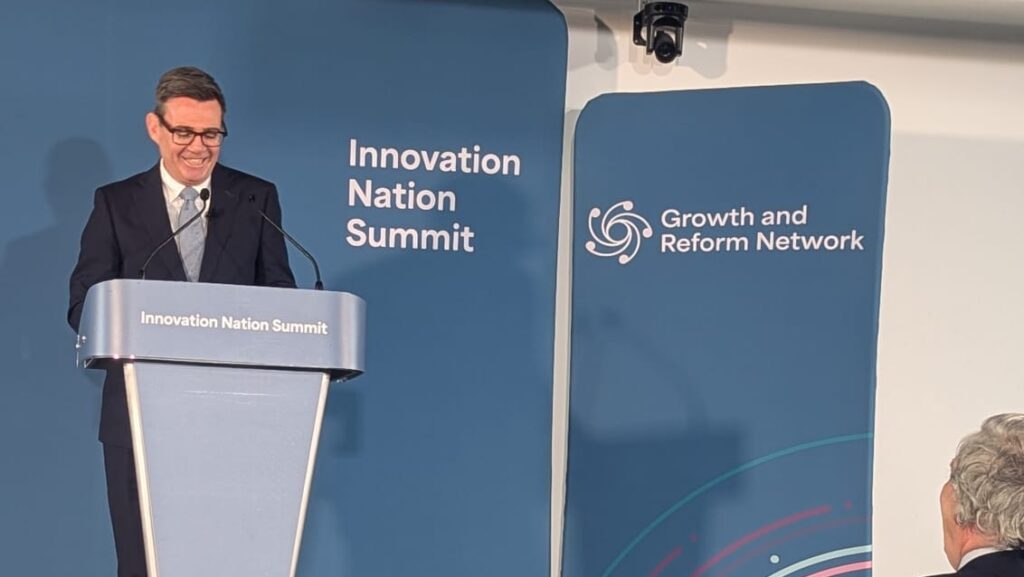

Andy Burnham wants to make the UK an ‘innovation nation’
09 October 2026
Policy Manager Camilla d’Angelo takes a look at Andy Burnham’s speech on making the UK an ‘innovation nation’ and what this means for R&D.

Overall R&D investment increased in cash and real terms in 2024
07 August 2026
The ONS has published the latest figures for gross expenditure on R&D (GERD) in the UK in 2024. CaSE takes a look at what they mean.

Significant cuts following STFC prioritisation
09 July 2026
UKRI have published ‘prioritisation’ at the STFC to bring down projected costs, the consequences will be significant cuts to some areas and facilities funded by the STFC.
Conservative Party plans highlight the shifting political landscape for UK R&D
30 April 2026
Conservative Party have presented a defence policy proposal that includes a reduction of UKRI funding by £2 billion per year. CaSE has looked at this proposal and what it indicates about the wider position of R&D in public policy.