CaSE responds to the House of Lords Science & Technology committee inquiry on Life Sciences and the Industrial Strategy.
This inquiry was the first of the new parliamentary session for the House of Lords Science & Technology committee. Following the Industrial Strategy green paper published by the Government in January 2017, the Government commissioned five sector strategies, one of which was the Life Sciences Industrial Strategy led by Sir John Bell. The purpose of this inquiry was to assess whether the Government has the necessary structures to support the life science sector in the UK, and to critically analyse the Life Sciences Industrial Strategy.
The summary of CaSE’s key points are:
- The Government has a central role to play in the funding of research and development to maximise the economic benefits of science.
- The Life Sciences Industrial Strategy, and each sector strategy, must integrate with the overarching Industrial Strategy.
- The availability of a skilled workforce is key to the success of the life sciences, and all of research and innovation in the UK.
- UK-EU collaborations are of immense value to scientific research and concerted efforts should be made to maintain collaborative research.

Download the full response
DownloadRelated resources
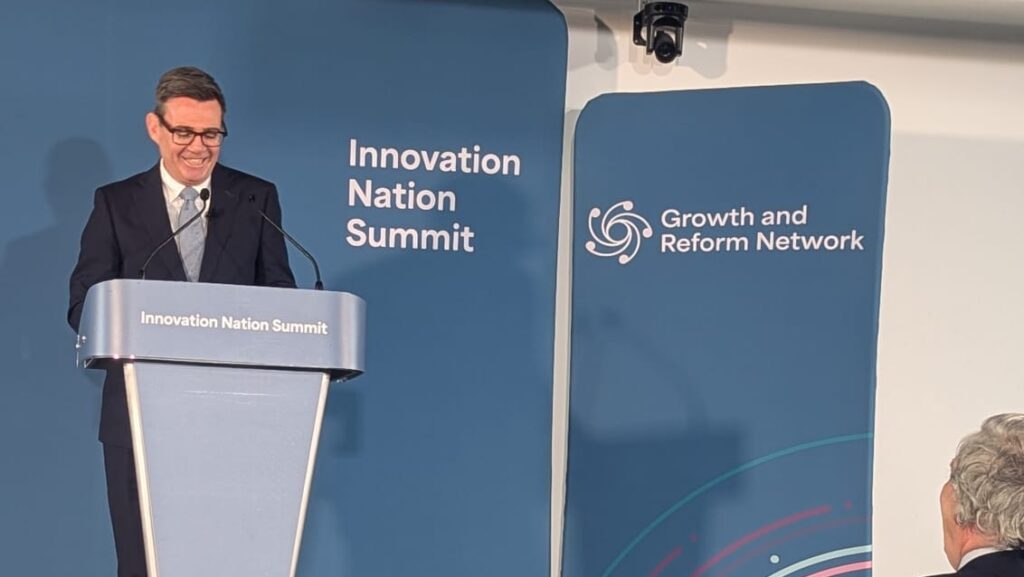

Andy Burnham wants to make the UK an ‘innovation nation’
09 October 2026
Policy Manager Camilla d’Angelo takes a look at Andy Burnham’s speech on making the UK an ‘innovation nation’ and what this means for R&D.
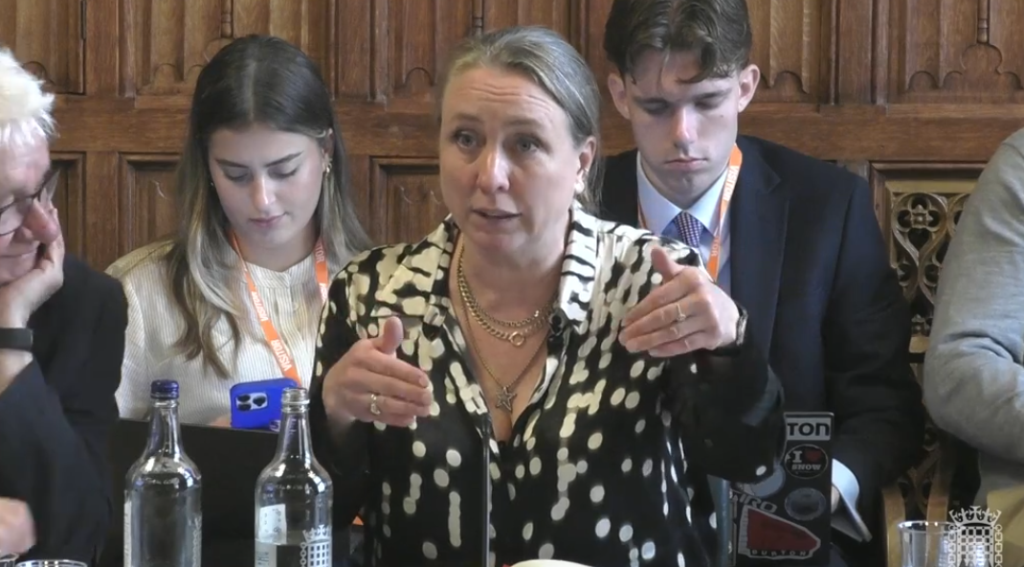

CaSE evidence to the Commons Science and Technology Select Committee
01 October 2026
On September 15th CaSE Executive Director Alicia Greated gave evidence to the House of Commons Science and Technology Committee on the recent machinery of government changes.

How do we get to a 2045 where R&D delivers both economic and societal benefits
23 September 2026
This briefing provides recommendations to unlock progress towards the first and second themes from the vision, which set out that in 2045: R&D delivers benefits for the economy and society and that R&D is embedded in society, with greater public involvement.

Reimagining R&D: Seizing real opportunity for positive change
23 September 2026
The CaSE team draw together findings and recommended actions following a year of work looking to reimagine UK R&D.