In the run-up to the Comprehensive Spending Review, CaSE published its five-point roadmap, which formed the centrepiece of our asks from the review. The roadmap sets out the best route towards cementing the UK’s role as a ‘science superpower’, as well as warning of the wrong turns to avoid at each step of the journey.
With the Spending Review announced by the Chancellor last week, CaSE has taken the opportunity to rate the review against each of the five points. This follows on from our analysis on what the review means for science and engineering.
The Spending Review means that public investment in R&D is set to rise substantially to £20bn by 2024/25, a 34% increase from 2021/22. However, this settlement falls short of the UK Government’s own ambitions of reaching £22bn by 2024/25, with this target now being pushed back to 2026/27 and into the next Parliament.
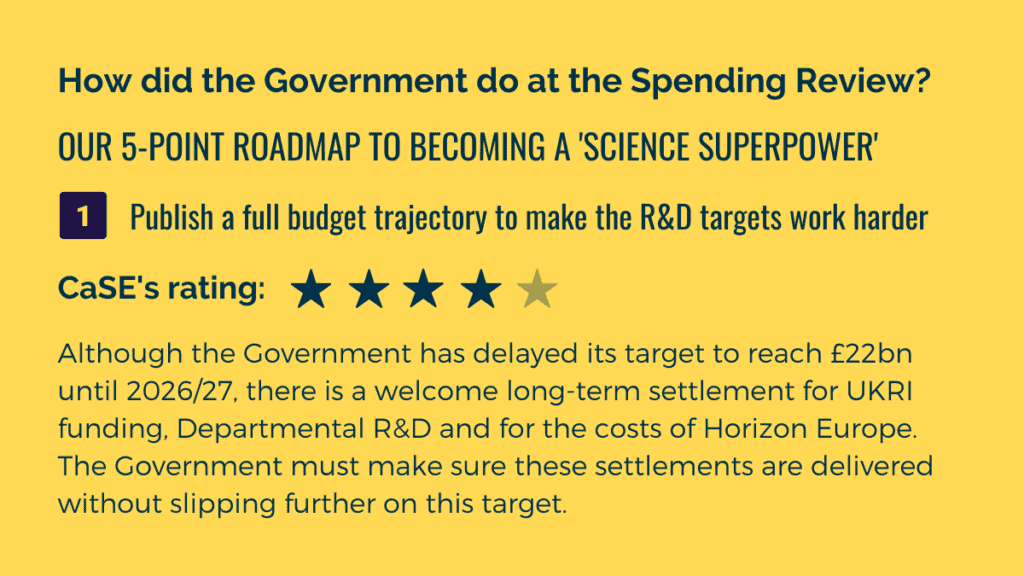
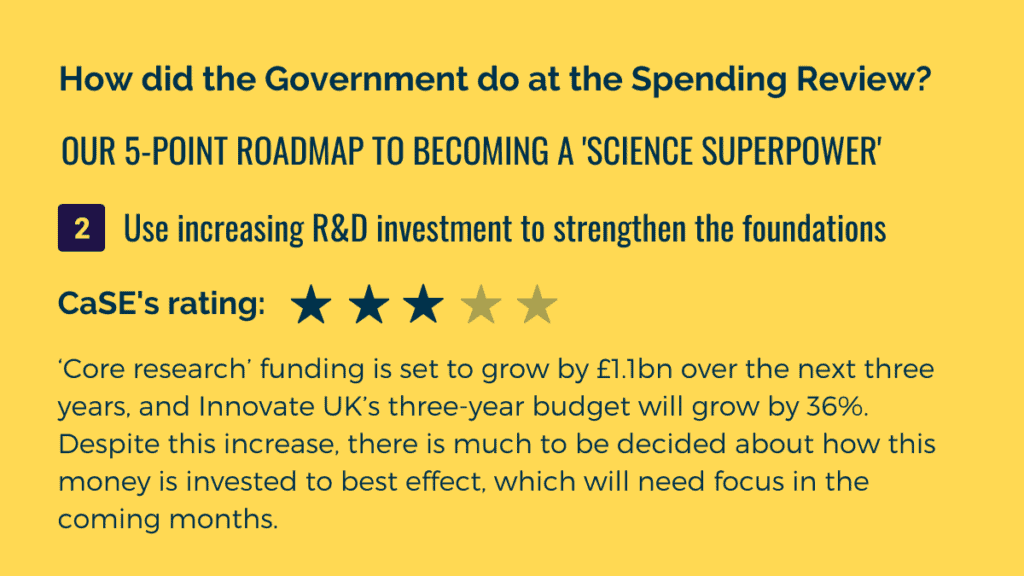
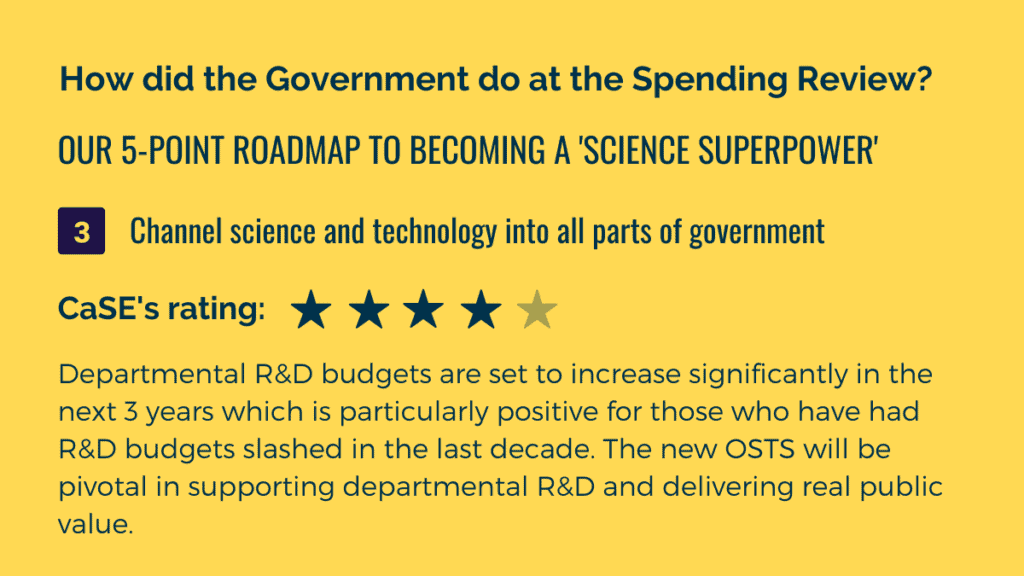
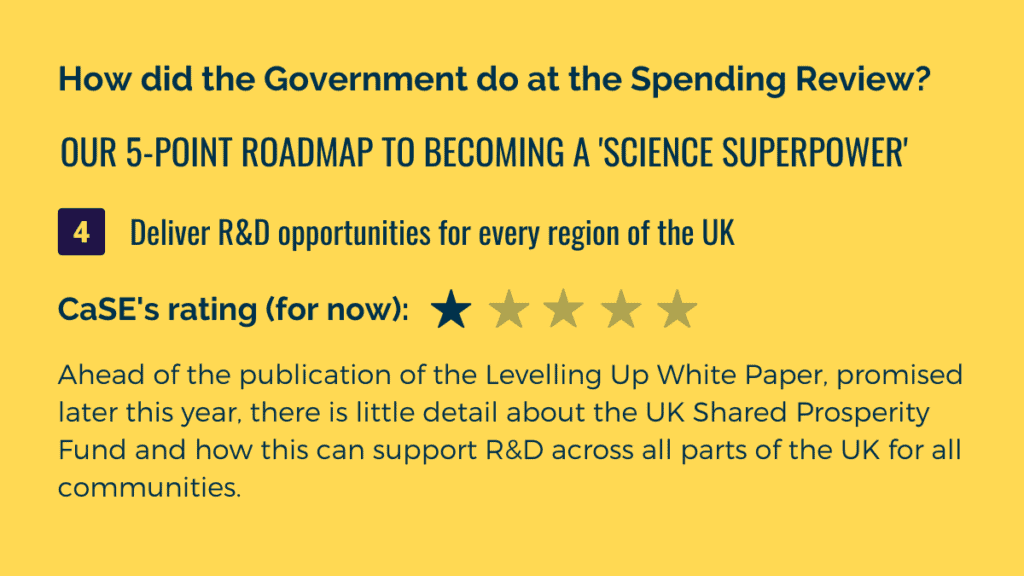
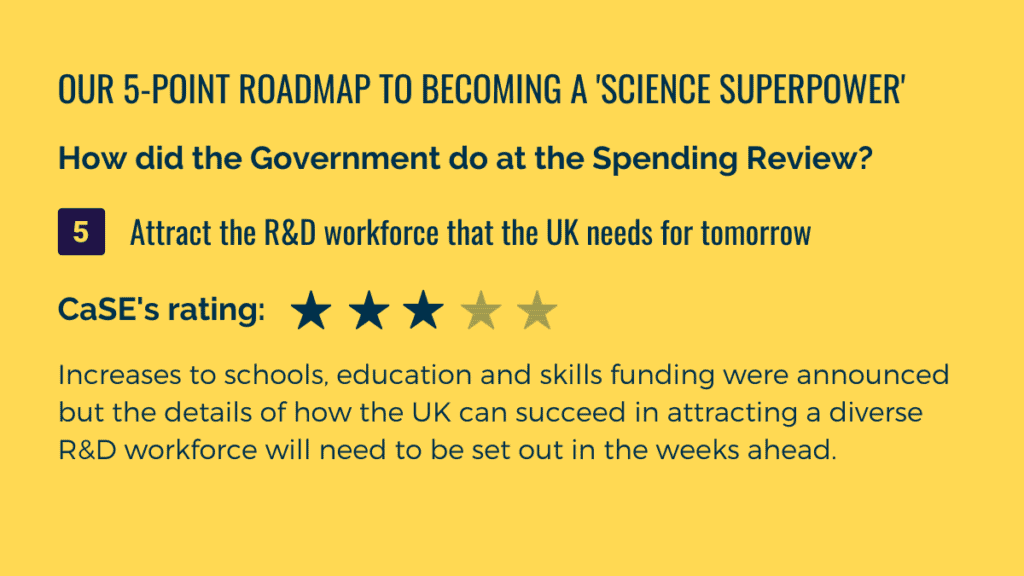

Read our five-point roadmap to making the UK a 'science superpower'
Read moreRelated resources
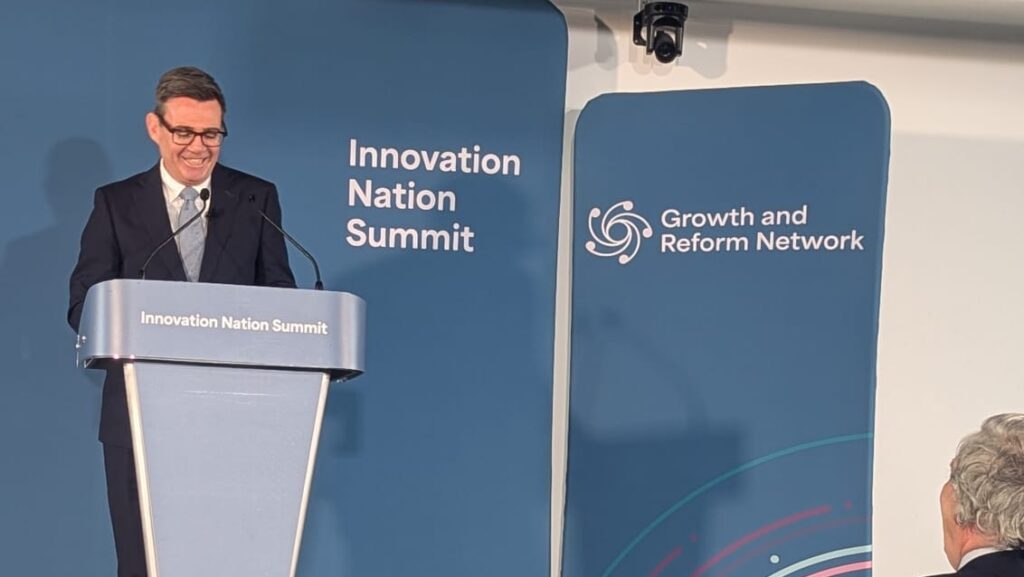

Andy Burnham wants to make the UK an ‘innovation nation’
09 October 2026
Policy Manager Camilla d’Angelo takes a look at Andy Burnham’s speech on making the UK an ‘innovation nation’ and what this means for R&D.

Overall R&D investment increased in cash and real terms in 2024
07 August 2026
The ONS has published the latest figures for gross expenditure on R&D (GERD) in the UK in 2024. CaSE takes a look at what they mean.

Significant cuts following STFC prioritisation
09 July 2026
UKRI have published ‘prioritisation’ at the STFC to bring down projected costs, the consequences will be significant cuts to some areas and facilities funded by the STFC.
Conservative Party plans highlight the shifting political landscape for UK R&D
30 April 2026
Conservative Party have presented a defence policy proposal that includes a reduction of UKRI funding by £2 billion per year. CaSE has looked at this proposal and what it indicates about the wider position of R&D in public policy.