Participants
- Almac Group
- Global Innovation Institute, Queen’s University Belfast
- Health Innovation Research Alliance, Northern Ireland
- Invest NI
- jheSOLUTIONS
- NI Science Festival
- Royal Academy of Engineering
- Ulster University
Key Conclusions
- Local connections to R&D and its impacts should be emphasised. Making the most of visible local infrastructure, whether buildings or buses, could help draw the public’s attention to the research on their doorstep.
- R&D advocates should open their doors to the public to let them see research first-hand. Within Northern Ireland, the public’s appetite for seeing behind the scenes should be encouraged with practical actions adopted across sectors, for instance through industry and academic open days.
- Different parts of the R&D system must champion each other to bring benefits to all. It is essential to demonstrate that R&D is a team activity and find stories that can celebrate the contributions of different people across all parts of the R&D sector.
- Engaging and activating voters can help build political will. R&D investment and politics are inherently linked, and advocates must be aware of this two-way relationship. While there is no one-size-fits-all approach for different parts of the UK, the support of voters carries weight with political decision-makers everywhere.
R&D in Belfast
Download ReportRelated resources
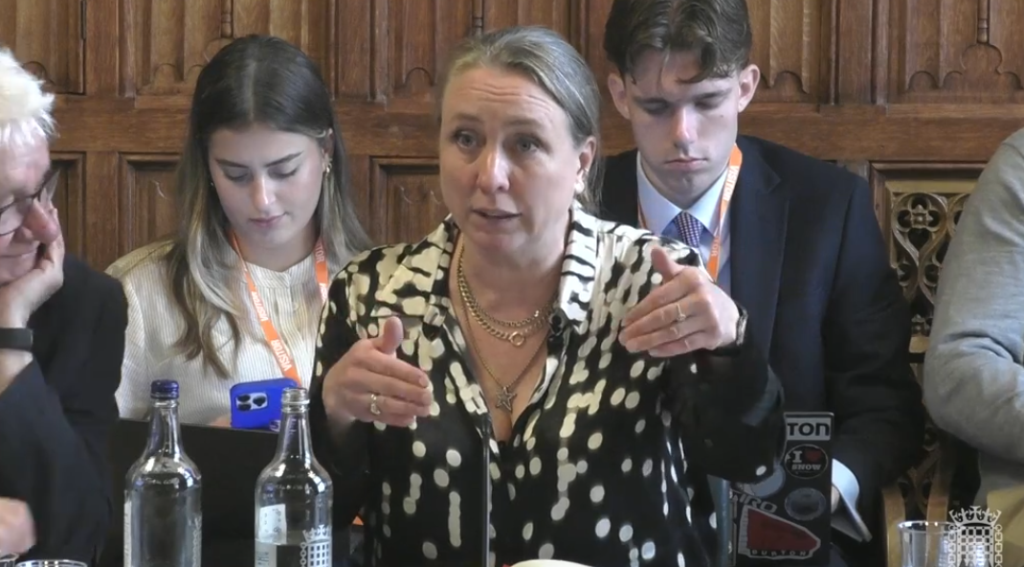

CaSE evidence to the Commons Science and Technology Select Committee
01 October 2026
On September 15th CaSE Executive Director Alicia Greated gave evidence to the House of Commons Science and Technology Committee on the recent machinery of government changes.


R&D in a shifting voter landscape
27 August 2026
This report explores how changes in the UK’s political landscape could impact R&D.
R&D in a shifting voter landscape: Voter group analysis
27 August 2026
This briefing series summarises attitudes within each of the five main UK voter groups and offers advice on how to better engage with them about R&D.

Burnham Government statement on increased English devolution
06 August 2026
CaSE looks at the devolution plans and what they might mean for UK R&D.