Participants
- Cambridge Zero
- Edinburgh Science Festival
- Glasgow Science Centre
- Johnson Matthey
- Open University
- Zero Waste Scotland
Key Conclusions
- Evolve terminology to keep pace with changing public perceptions. Advocates must respond to changing public attitudes and needs, and adapt the language of their engagement to remain relevant to their audiences.
- Work together to capitalise on high-profile moments in public life. Major events like COP26 offer a chance to champion R&D’s role, and to establish long-term partnerships with advocates across different sectors. ‘Unlikely coalitions’ of advocates can help convey the breadth of support for an issue such as R&D.
- Provide opportunities for genuine dialogue and co-creation. Advocates must listen to their audiences and provide meaningful opportunities for communities to decide on, and shape, the engagement they want.
- Empower younger generations to reach adults. Young people can help channel messages into families and are vocal, passionate advocates. Organisations should engage directly with younger people, in partnership with educators and youth leaders.

R&D in Net Zero conversations
Download ReportRelated resources
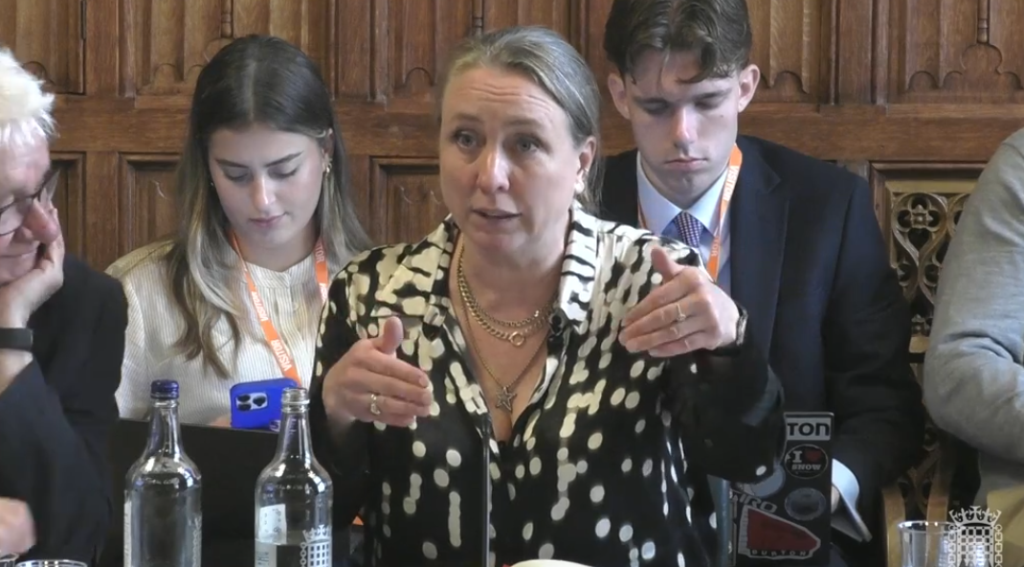

CaSE evidence to the Commons Science and Technology Select Committee
01 October 2026
On September 15th CaSE Executive Director Alicia Greated gave evidence to the House of Commons Science and Technology Committee on the recent machinery of government changes.

R&D in a shifting voter landscape
27 August 2026
This report explores how changes in the UK’s political landscape could impact R&D.
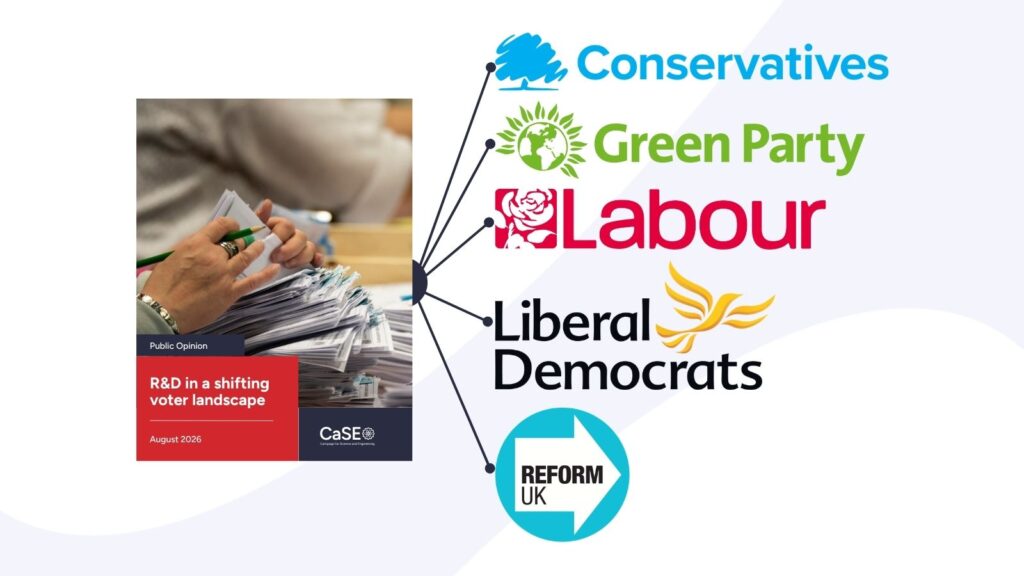
R&D in a shifting voter landscape: Voter group analysis
27 August 2026
This briefing series summarises attitudes within each of the five main UK voter groups and offers advice on how to better engage with them about R&D.

Burnham Government statement on increased English devolution
06 August 2026
CaSE looks at the devolution plans and what they might mean for UK R&D.