
Andy Hawkes
Communications Manager
CaSE is in the fortunate position of being able to see specialist journalists as valued partners with a shared aim. This is an aim for transparency, evidence, and accountability to be central to R&D policy making in the UK. It is also an aim that wants to see research thrive and be a genuine source of public good.
We occupy a shared role in scrutinising decisions made by those in power and providing our considered and expert analysis. Because that’s what specialist journalists like those that work at RPN are, experts. You will be hard pressed to find people who know more, or care more, about areas of policy that are underrepresented in national media and discourse.
As a sector our advocacy is often centred on a change or revelation in government policy. These revelations often come with uncertainty, strong emotions, and a healthy dose of jeopardy. Organisations from the sector such as CaSE, the Science Media Centre, national academies, and learned and professional societies are able to do a lot of great work to combat that uncertainty, cut through emotions, and reduce jeopardy. However, in a world without the work RPN does, we will be doing so with one hand tied behind our back.
Journalists are able to apply pressure and shine light on issues in ways we will struggle to do alone. Their independence from the system we try to influence is an essential element for a functioning society. Although many parts of the sector, including CaSE, value and preserve our independence from government, having healthy and determined journalism with undebatable editorial independence is only a good thing and bolsters all of our work.
Now, why does it matter if any particular outlet comes or goes? this is a legitimate question, and the answer should be that it doesn’t. In an ideal world we would have such a well-resourced specialist journalism sector that if a publication closes its doors the journalists all find new homes and other outlets smoothly fill the breech left in its wake.
Sadly, I do not think this is the situation we find ourselves in, however.
Although there are other fantastic specialist outlets that contribute to scrutiny and understanding of research policy (such as Times Higher Education, Chemistry World, and WonkHE to name but a few), a breadth and depth of journalists, newsrooms and outlets are essential for proper scrutiny. The loss of one is not necessarily countered by the existence and potential growth of others.
I hope that something changes and we do not see the last of RPN at the end of this year, but if we do, I hope that the talented and experienced journalists that work there land on their feet and continue to do great work holding power to account.
Related resources
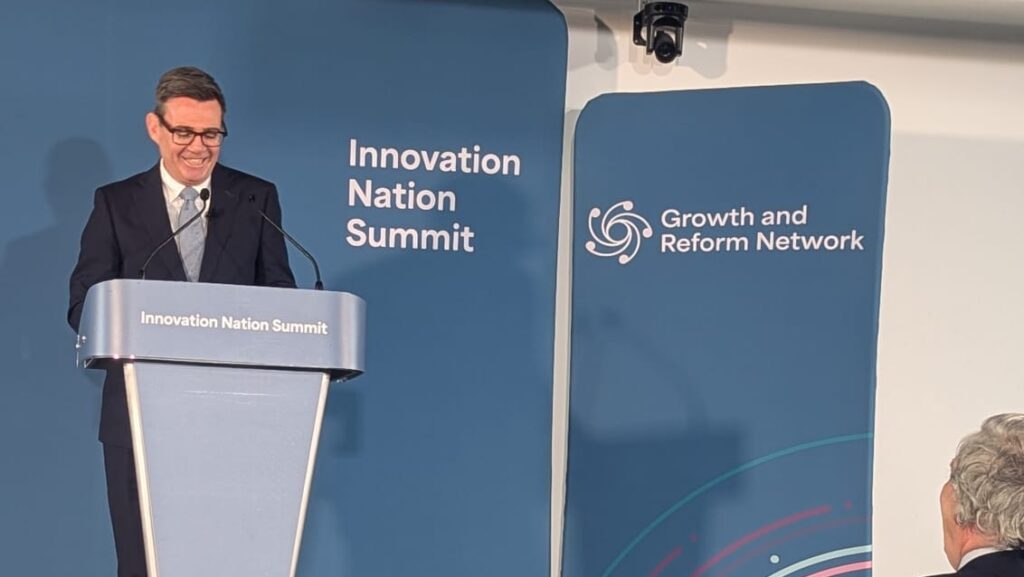

Andy Burnham wants to make the UK an ‘innovation nation’
09 October 2026
Policy Manager Camilla d’Angelo takes a look at Andy Burnham’s speech on making the UK an ‘innovation nation’ and what this means for R&D.
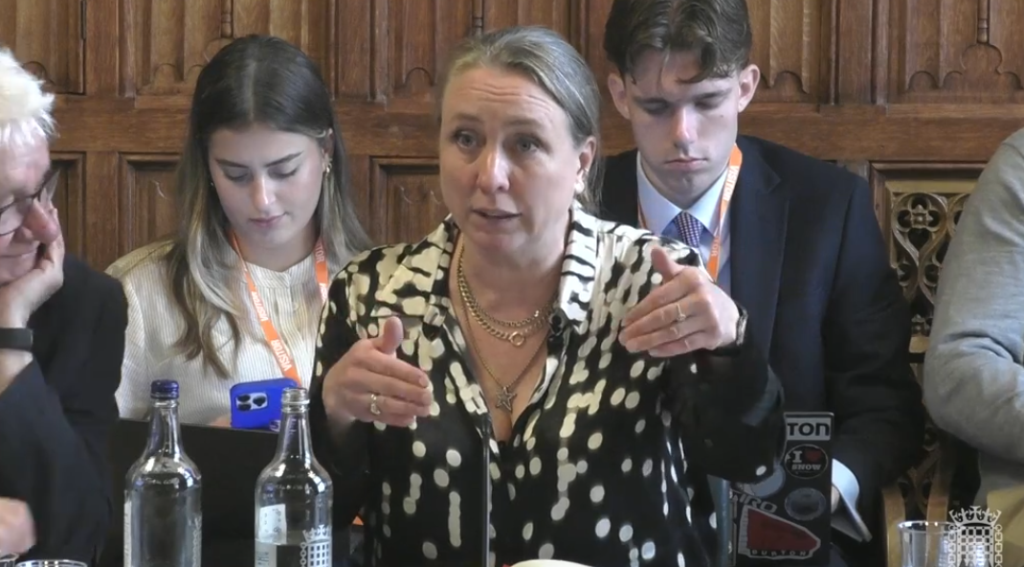

CaSE evidence to the Commons Science and Technology Select Committee
01 October 2026
On September 15th CaSE Executive Director Alicia Greated gave evidence to the House of Commons Science and Technology Committee on the recent machinery of government changes.

R&D in a shifting voter landscape
27 August 2026
This report explores how changes in the UK’s political landscape could impact R&D.
R&D in a shifting voter landscape: Voter group analysis
27 August 2026
This briefing series summarises attitudes within each of the five main UK voter groups and offers advice on how to better engage with them about R&D.