Showcasing UK-led R&D that is bringing benefits to global health and nutrition through engaging visual storytelling
Telling compelling stories about UK R&D’s global impact
Finding new ways to engage broad audiences about R&D
The research community knows the importance of telling tangible stories about the benefits and impacts of R&D, and the need to reach beyond the R&D sector’s usual audiences. CaSE’s extensive public attitudes research has emphasised this time and again.
To help demonstrate novel ways to tell our stories, CaSE has collaborated with content creators Sorted Food and experts across the UK R&D and global health sectors to develop a compelling video that showcases research on global health and nutrition.
This partnership combines CaSE’s strong links across the R&D sector with Sorted Food’s engagement expertise and broad audience, with almost 3 million subscribers on YouTube and many more across other platforms.
A selection of research projects have been used to inspire a set of dishes, created by the Sorted Food team. As the team tastes the dishes on camera, each dish provokes a rich discussion about the research and how it is benefitting lives and livelihoods across the world. This is combined with reflections from the researchers and footage of the work in action.
The project features the research of five collaborations, split into four themes: the forgotten crop (grass pea), the misunderstood crop (hemp), the overlooked crop (seaweed) and the crop on borrowed time (coffee). The discussions explore the crops’ historical and cultural relevance in different countries, and how researchers are working with communities in low- and middle-income countries to unlock benefits for human health and the environment.
The resulting video, produced in Sorted’s engaging and unique style, offers audiences a new connection point with both R&D and global health and environmental sustainability.
As well as producing compelling content and engaging the public with R&D, the project will provide CaSE members and the wider sector with practical lessons on how to convey R&D stories in compelling ways. This includes insights and reflections from Sorted Food, who can offer advice on telling impactful stories, and the partner organisations involved in the process.
This project has been funded by a grant from the Gates Foundation, and is part of CaSE’s work to provide evidence, tools and inspiration to support the R&D sector engaging public audiences.
CaSE will produce a report evaluating and reflecting on the project in December 2026, which will be part of CaSE’s Advocacy Toolkit and Collating Best Practice guidance that brings together lessons from experts across the engagement community.
Watch the video
About the featured research
This project highlights the work of five research collaborations based at institutes around the UK. Below is a summary of their research, but we encourage you to watch the video and click the links to find out more about their work. You can read more from the partners themselves in a series of guest blogs CaSE has published.
CaSE will be looking for future opportunities to showcase the excellent research being carried out by our members and others across the sector.
The forgotten crop, the grass pea: John Innes Centre
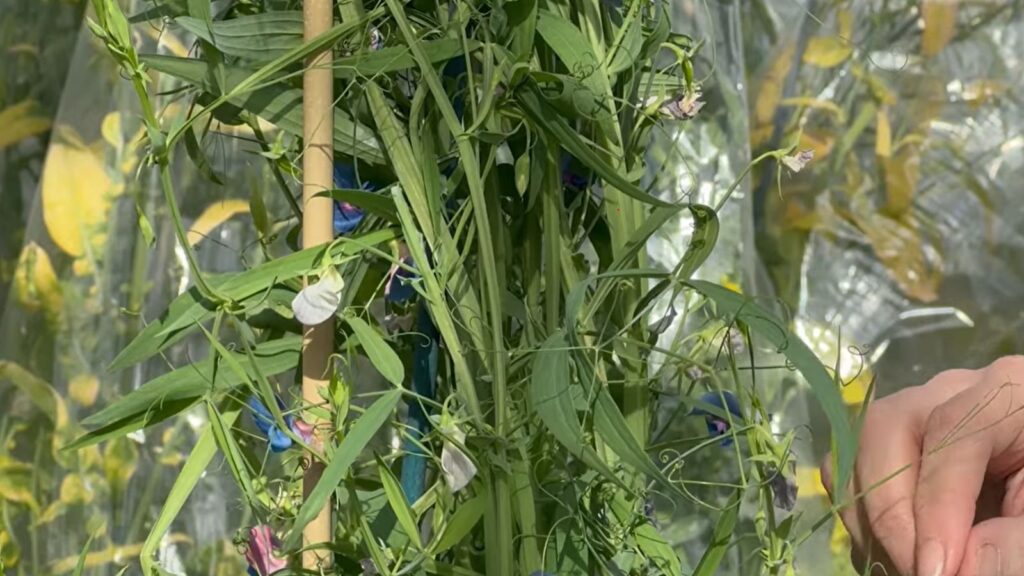
Climate change is bringing unprecedented challenges to agriculture with extended drought and devastating floods threatening lives and livelihoods. Traditionally, the grass pea has been grown in Ethiopia, Eritrea, India, Bangladesh, and Nepal. However, its historic catch is that contains the toxin beta ODAP, which in extreme circumstances of malnourishment can cause the disease neurolathyrism in humans.
In an international collaboration, John Innes Centre researchers worked to establish the most detailed genome assembly to date of grass pea, allowing potential to unlock the secrets of both the grass pea’s resilience and its toxicity.
Working with behavioural scientists at University of East Anglia, researchers from the Ethiopian Institute of Agricultural Research, the Bangladesh Agricultural Research Institute, researchers in India, the International Centre for Agricultural Research in the Dry Areas, and communities in countries where the crop is widely used, the team is exploring how to effectively introduce a genetically adapted variety with low-ODAP to local farmers.
Trials carried out in the UK have been successful and demonstrate the benefits of high protein, high yield, flood and drought resistance, without toxicity. The team is close to achieving its long-standing ambition of creating a climate-smart source of plant protein for the UK.
The misunderstood crop, hemp: The Rowett Institute, University of Aberdeen
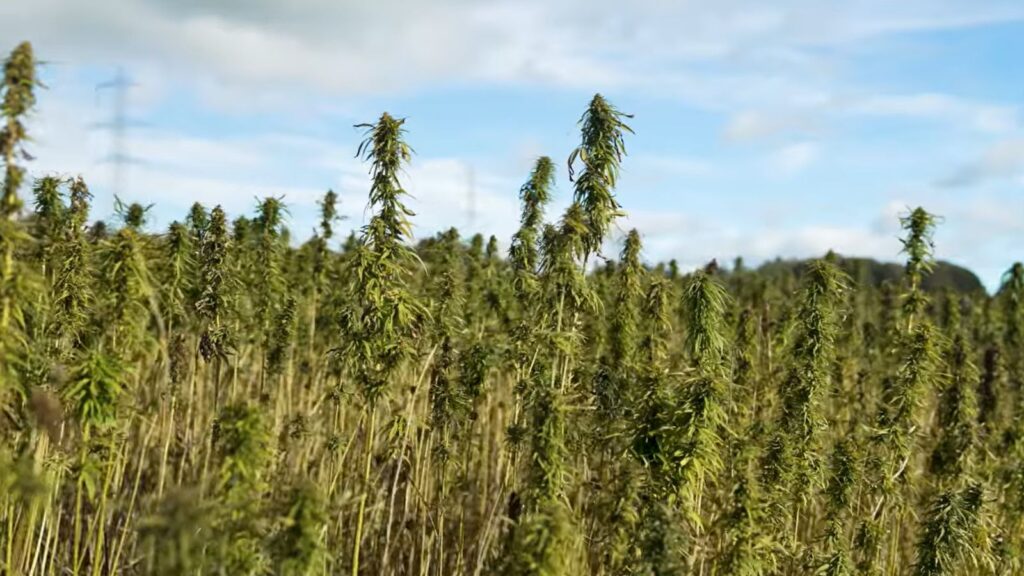
Hemp offers a range of potential environmental and health benefits. Based at the Rowett Institute, University of Aberdeen, the team has conducted 13 trials to help understand these benefits and how it could be revived as a major crop across the world.
Hemp has been shown to sequester more CO2 than trees, increase farm biodiversity and has the potential to tackle deforestation, as it could be used as a replacement source of protein for soya in livestock feed, while hemp hearts could replace palm oil in the baking industry. It also brings health benefits: it is a good source of protein and the eggs of chickens fed on hemp have been shown to have twice as much Omega-3 and vitamin E.
As well as these broad benefits, the research team wants to launch a project in Ghana, to see if hemp can tackle problems associated with an increase in mining. Mining has released heavy metals into land and water courses, which is having a detrimental effect on crops and risks to human health, with heavy metals being identified in children’s blood. The team wants to investigate if hemp – with its long tap root – could remediate these issues.
The crop on borrowed time, coffee: University of Oxford
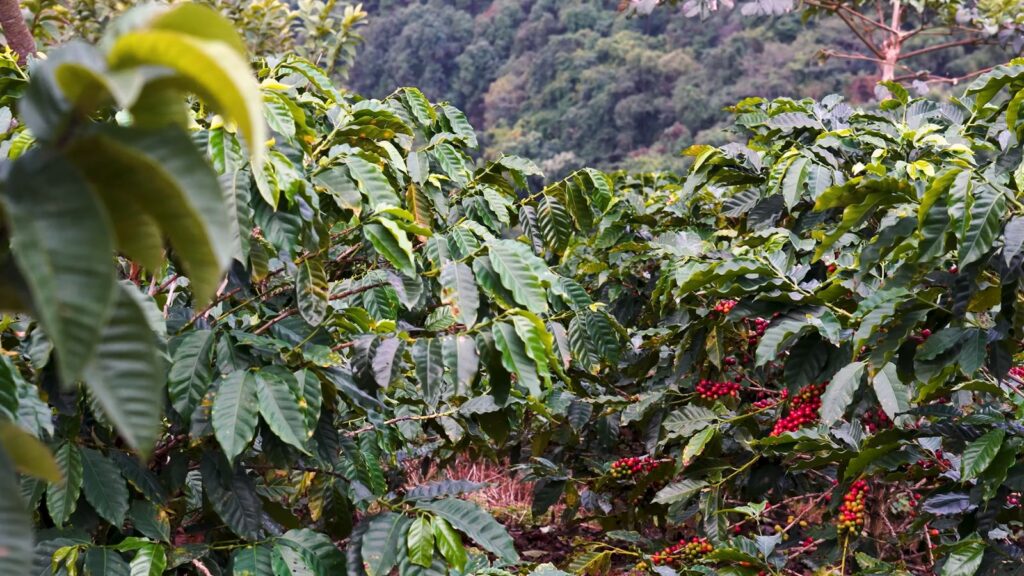
The team at the University of Oxford are conducting farm-based research and field trials with coffee producers in Vietnam and Kenya, working directly with around 1,500 farmers to evaluate interventions under real-world farming conditions that aim to improve environmental sustainability while strengthening farmer livelihoods.
The research team places a high level of importance on working with communities to identify the outcomes that matter most to them. For example, in their collaboration in Vietnam, with conservation NGO PanNature and others, farmers highlighted sustainability, climate resilience and pesticide toxicity as priorities, so these are incorporated into the team’s research.
In Kenya, the team works with researchers at Strathmore University in Nairobi, as well as coffee cooperatives, to design the work and ensure that the information produced is useful to them.
Oxford’s HESTIA data platform allows this work to be connected with the wider global picture. HESTIA brings together harmonised data on food production and its environmental impacts, allowing comparison of different production systems across countries and using multiple indicators, rather than looking at a single issue in isolation.
The overlooked crop, seaweed
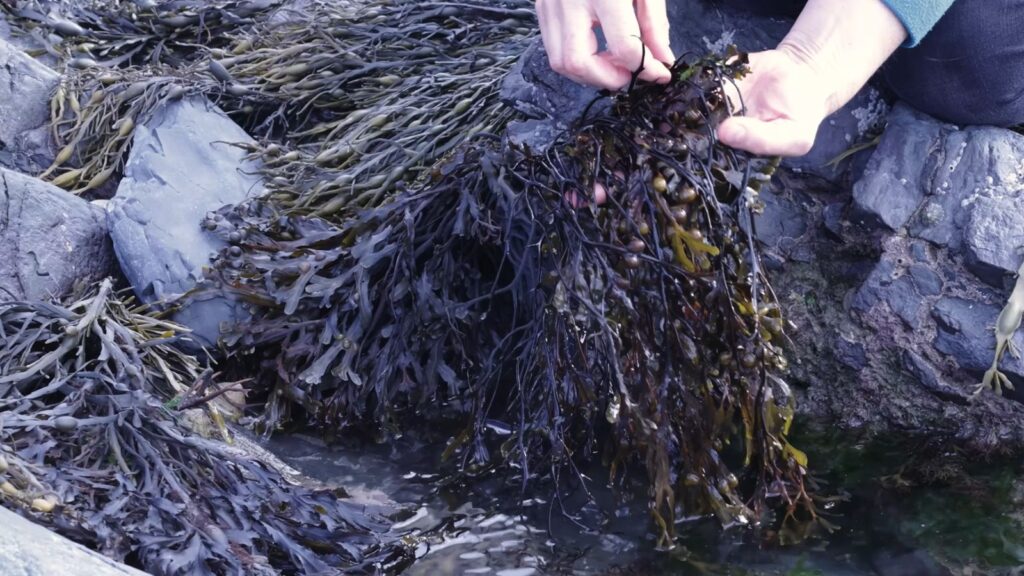
Seaweed could play an increasingly important role in feeding a growing global population while reducing pressure on the planet’s land and freshwater resources.
Seaweeds are high in essential trace elements, low in fats and high in fibre, and their properties mean seaweed-derived ingredients are already found in everything from foods to products like toothpaste and medical products.
As seaweeds can be grown without the constraints of conventional agriculture, it also provides opportunities to complement traditional agriculture in areas affected by land scarcity or environmental issues.
The Institute of Biological, Environmental and Rural Sciences, Aberystwyth University
Research at Aberystwyth University’s Institute of Biological, Environmental and Rural Sciences (IBERS) is exploring how marine macroalgae can contribute to a more sustainable future for food production, human wellbeing and the bioeconomy.
Unlike conventional crops, seaweed doesn’t need agricultural land, irrigation or fertiliser to grow. It can be cultivated rapidly in coastal waters, producing large quantities of biomass while absorbing carbon dioxide from the atmosphere. This research focuses on understanding seaweed’s unique biological properties and expanding its potential applications.
As global populations increase and climate change places growing pressure on agricultural systems, seaweed offers an alternative source of food ingredients and biomaterials that can be produced without competing for valuable farmland or freshwater. Research at IBERS is helping to unlock the potential of this resource and raise awareness of the role it could play in creating more sustainable food systems worldwide.
The Scottish Association of Marine Science and Yunus Thailand
The Scottish Association of Marine Science runs a series of projects focused on seaweed, working closely with communities in Malaysia, Thailand, Indonesia, Philippines and Vietnam. The GlobalSeaweed-Superstar project (funded by the Global Centre on Biodiversity for Climate) works in collaboration with farming communities and other stakeholders in Malaysia y to help protect and restore wild seaweeds, which are vital in providing the climate and disease-resilient strains for the future. The team has also produced the UN Seaweed Breakthrough initiative, which aims to catalyse global action to conserve, restore, and sustainably manage seaweed ecosystems.
The social business, Yunus Thailand Foundation, have collaborated with the SAMS team have to create a seaweed social business that supports controlled cultivation of a type of seaweed by female entrepreneurs in southern Thailand. This has enhanced local livelihoods and provided economic empowerment to more than 80 female seaweed entrepreneurs, while preserving the specifics from the effects of climate change.