The future of UK R&D is at a pivotal moment. It faces a complex interplay of global and domestic uncertainties including from a changing geopolitical context, domestic political fragmentation, declining public trust in institutions and rapid technological development. Now is the time for the R&D sector to take deliberate steps to ensure R&D remains resilient and relevant in the decades ahead.
CaSE has developed a long-term vision for UK R&D in 2045 that sets out desirable outcomes that the sector would like to see, as well as the challenges and trade-offs that need to be addressed for this to become reality. The vision is based on views gathered through an extensive consultation process with CaSE’s membership – including businesses, universities, charities and learned and professional societies – as well as a diverse array of stakeholders across the R&D sector.
The vision sets out four themes for a successful UK R&D system in 2045:
R&D delivers benefits for the economy and society
R&D is embedded in society, with greater public involvement
R&D fosters national capability while being outward looking
R&D features in an open innovation system, with strong public and private collaboration
This vision is intended to guide both the R&D community and the UK Government in shaping the future of the R&D system. CaSE is exploring the themes from the vision in greater depth through a series of roundtables. The discussions aim to further explore the challenges, opportunities and trade-offs identified.
About this briefing
This briefing provides recommendations to unlock progress towards the fourth theme from the vision, which sets out that in 2045:
R&D exists in an open innovation system with strong private and public collaboration, which sees:
Strong support for business investment in R&D and for the growth and scale-up of innovative companies.
Public funding, tax incentives and innovation programmes help businesses develop and commercialise new technologies that can reach the market faster.
High standards of research integrity and openness that build public confidence, such as the use of open-source data and standards, transparency and ethical practises.
Enhanced public and private partnering, with R&D efforts and societal goals aligned through partnerships and collaborations to ensure equitable access to innovations.
Disciplinary siloes are broken down within the R&D system, especially within higher education institutions and funders.
Participants were asked to assess the feasibility of the fourth theme of the vision within the current policy landscape, explore trade-offs and identify policy interventions needed to deliver it. This briefing identifies what is currently working well, some of the barriers to delivering this vision and what could be improved. It also sets out recommendations in the short term towards making this vision a reality, which are aimed at Government, the research community, businesses and funders.
From our discussions, there are long-standing issues that need to be addressed if the vision we have set out is to become reality. Many of the challenges outlined in this briefing have been recognised by the sector for several years and have featured in previous policy debates. Although there have been efforts to address them and progress has often been made, they remain unresolved and continue to require attention.
Tackling these challenges will be important if the sector is to demonstrate the economic and societal value of R&D and strengthen the UK’s global competitiveness. A consistent theme was the need for greater stability across policy, strategy, funding and resources. Frequent changes in government priorities have made this difficult, making long-term planning near-impossible and limiting the sector’s ability to develop the partnerships, capabilities and confidence needed to deliver sustained impact. A new Government, led by Andy Burnham, along with the publication of the new UKRI strategy, makes this a timely moment to re-establish the needs of the sector and look again at some of these long-standing challenges.
Download and read the full briefing
Related resources
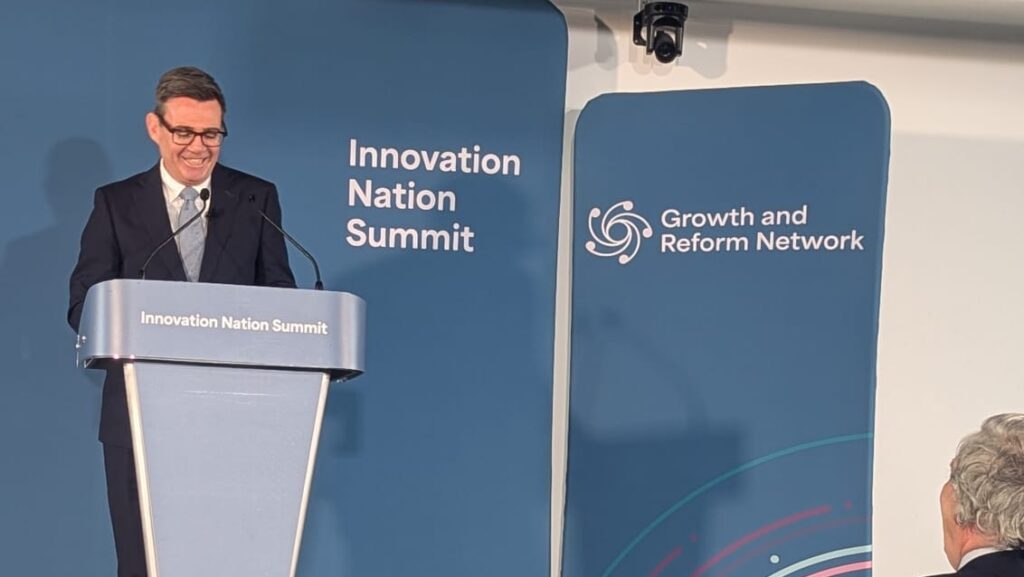

Andy Burnham wants to make the UK an ‘innovation nation’
09 October 2026
Policy Manager Camilla d’Angelo takes a look at Andy Burnham’s speech on making the UK an ‘innovation nation’ and what this means for R&D.
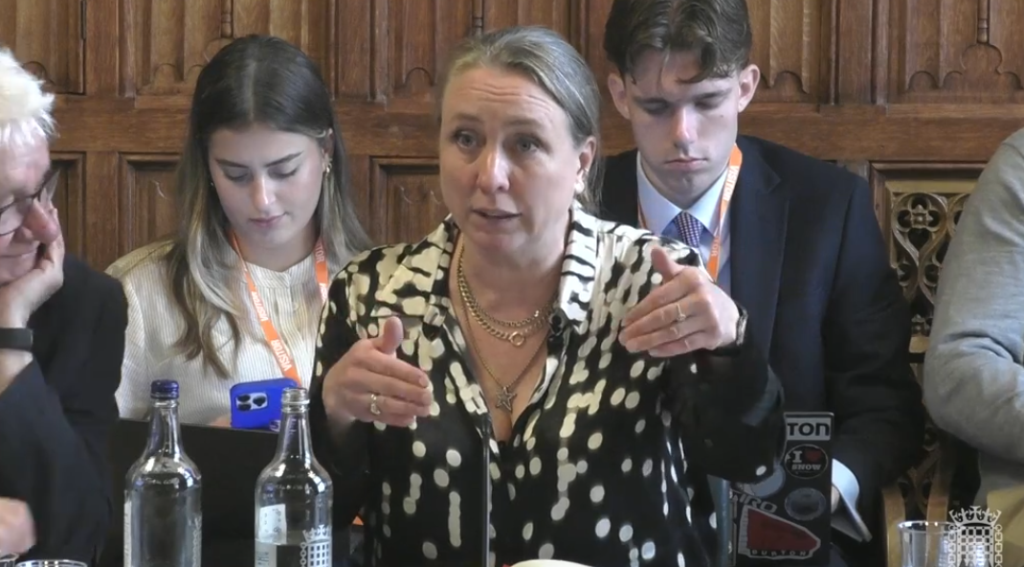

CaSE evidence to the Commons Science and Technology Select Committee
01 October 2026
On September 15th CaSE Executive Director Alicia Greated gave evidence to the House of Commons Science and Technology Committee on the recent machinery of government changes.

How do we get to a 2045 where R&D delivers both economic and societal benefits
23 September 2026
This briefing provides recommendations to unlock progress towards the first and second themes from the vision, which set out that in 2045: R&D delivers benefits for the economy and society and that R&D is embedded in society, with greater public involvement.

Reimagining R&D: Seizing real opportunity for positive change
23 September 2026
The CaSE team draw together findings and recommended actions following a year of work looking to reimagine UK R&D.