This post first appeared in Research Fortnight on 28th May 2026
Sector must respond to fragmenting of domestic politics and international geopolitics, says Camilla d’Angelo
The UK is facing significant uncertainties from a changing geopolitical context, domestic political fragmentation, eroding public trust and rapid technological development. R&D can provide some solutions and help to navigate these challenges, but to do that the UK R&D system must remain relevant and resilient. Exactly how the R&D sector responds to a changing and uncertain world will depend on how it can prepare and adapt.
It is important to look ahead to the future, and Campaign for Science and Engineering (CaSE) has published a vision which does just this. It is the sector’s ambitious vision for the future of the R&D system in the UK to 2045—a system that drives economic growth, delivers tangible benefits to society, is embedded in communities, and remains globally connected and open.
Similarly, the Royal Society has also been considering the future of UK science through its Science 2040 programme. It argues that a long-term vision for science is needed, emphasising the need for stability and forward-thinking.
Consensus under strain
The environment in which these visions are to be realised is becoming more complex, constrained and contested. Our assumptions are being tested, with numerous complex and interlinked challenges to face over the coming decades.
One we are already witnessing is that the political consensus on the value of R&D is not guaranteed. For decades UK R&D has benefited from political consensus on its value. Over this time, successive UK governments have put R&D at the heart of their programmes for growth.
However, there are signals this consensus may be fracturing. As an example, the Conservative Party recently announced a proposal to reduce UKRI funding by £2 billion per year and direct this into a sovereign defence fund to develop dual-use technologies.
Rising geopolitical tensions and a possibility of growing conflict mean that security, resilience and defence are climbing up the political agenda. This leads to an important consideration for policymakers around identifying the right balance of civil versus defence spending in R&D.
Over the longer term, growing domestic political fragmentation could undermine the stability of the UK R&D system, leading to increasingly contested research priorities and fluctuating policy support. It is vital to avoid this by establishing deep-rooted support across the political spectrum.
CaSE’s vision sets out some of the trade-offs shaping the future resilience of the UK R&D system. Thinking about trade-offs can help anticipate the outcomes of different policies and inform potential solutions.
One such trade-off we are witnessing is the need to balance the protection of national interests and strategic R&D with maintaining openness to international research collaboration.
The UK’s strength in R&D has been in part derived from its openness—its ability to attract global talent, foster international collaborations and contribute to shared challenges.
However, geopolitical tensions and rising global competition increase the pressure to secure advantage and protect critical technologies, infrastructure and talent. This is playing out in intensifying international competition over frontier technologies—most visibly in AI and quantum computing—as well as in the recruitment of research talent by better-resourced competitors.
Difficult choices ahead
The increasingly geopolitical nature of research could mean countries restrict some types of international collaboration. For example, in Europe conversations are ongoing about how the successor programme to Horizon Europe, the EU’s funding programme for research and innovation, will interact with the proposed European Competitiveness Fund which aims to “accelerate strategic technologies in Europe”. The outcome of these conversations could shift the balance between EU goals and wider global collaboration.
There is an opportunity for the UK to position itself as a global partner and use R&D as a bridge to collaborate with like-minded countries. That said, setting out a vision won’t eliminate the difficult choices ahead. But by envisioning the positive outcomes that we would like to see as a sector, we can revisit our assumptions and prepare for the actions and choices that are needed on the path to make these outcomes a reality.
We can’t control all the changes ahead. But we can prepare and adapt—the future success of UK R&D will depend on the ability to capitalise on changes and navigate difficult choices in a more fragmented, competitive and fast-moving world.
Camilla d’Angelo is policy manager at Campaign for Science and Engineering. (CaSE)
Reimagining R&D: What future does the sector want for UK R&D?
As both the global and national picture for R&D continues to change, this work sets out to explore what the future might hold in the coming decades.
ExploreRelated resources
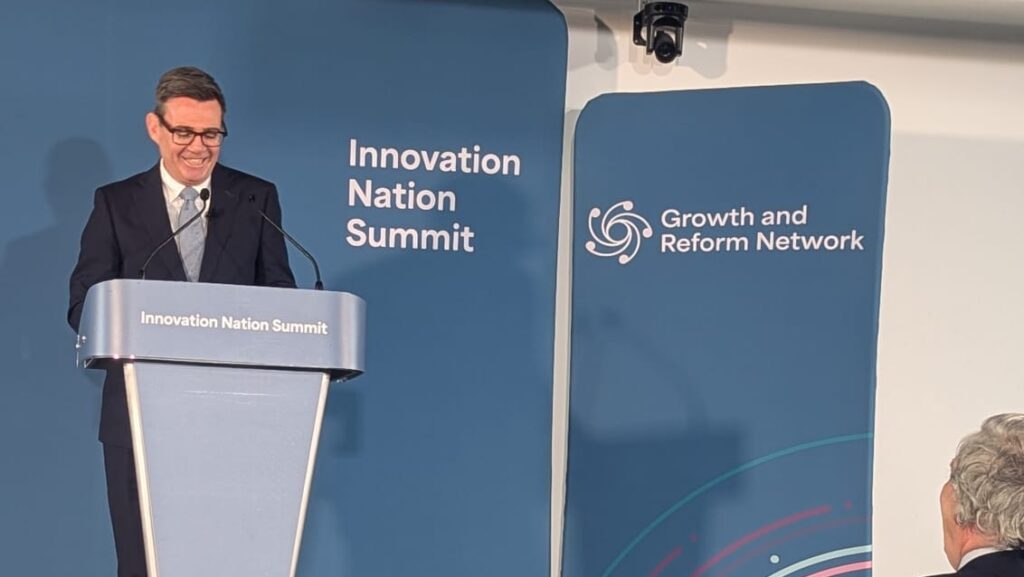

Andy Burnham wants to make the UK an ‘innovation nation’
09 October 2026
Policy Manager Camilla d’Angelo takes a look at Andy Burnham’s speech on making the UK an ‘innovation nation’ and what this means for R&D.
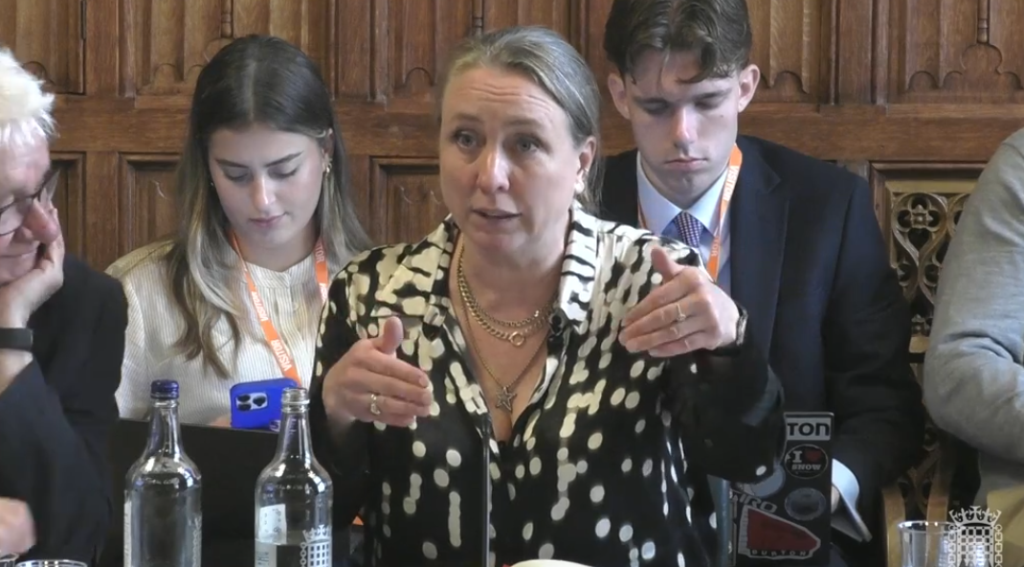

CaSE evidence to the Commons Science and Technology Select Committee
01 October 2026
On September 15th CaSE Executive Director Alicia Greated gave evidence to the House of Commons Science and Technology Committee on the recent machinery of government changes.

How do we get to a 2045 where R&D delivers both economic and societal benefits
23 September 2026
This briefing provides recommendations to unlock progress towards the first and second themes from the vision, which set out that in 2045: R&D delivers benefits for the economy and society and that R&D is embedded in society, with greater public involvement.

Reimagining R&D: Seizing real opportunity for positive change
23 September 2026
The CaSE team draw together findings and recommended actions following a year of work looking to reimagine UK R&D.