In this analysis piece, CaSE takes a look at what these changes might mean for research and development (R&D).
Andy Burnham as Prime Minister
In the lead up to his appointment, Burnham indicated a focus on place-based innovation, using a speech on 29th June to set out his ambitions to put universities “at the heart of local economies” and to make the UK the world’s leading “innovation nation”. This clearly presents an opportunity for the R&D sector, and CaSE public attitudes research shows strong interest and support for local R&D – 70% would like to hear more about R&D being done in their area.
Read more about his appointment and ambitions for R&D in our previous post.
New Department for Business, Innovation, Science and Trade
The headline change for the R&D sector is the creation of the new department for Business, Innovation, Science and Trade (BIST), merging the science brief from the Department of Science, Innovation and Technology (DSIT) with the Department for Business and Trade (DBT).
Yesterday’s House of Lords written statement on the Machinery of Government Changes states that BIST “will take on responsibility for the science and innovation portfolio, as well as emerging sectors”. However, we are still awaiting the full details on where individual parts of DSIT have landed across Whitehall and hope to have more information in the coming days.
As the new Secretary of State for BIST, Jonathan Reynolds comes back to the role, having led DBT from July 2024 until September 2025. During his tenure, he developed the UK’s Industrial Strategy, which set long-term priorities for the Government and placed R&D as a core driver of economic growth, productivity and competitiveness. UKRI’s new ‘buckets’ funding allocations use the eight areas set out in the industrial strategy to prioritise investment in buckets two and three.
Challenges
The merger means there will no longer be a dedicated science and technology secretary in cabinet. It also raises immediate questions about how science fits into the priorities and work of the business department.
The Prime Minister clearly recognises the power of research and innovation to drive economic growth, job creation and regional collaboration. Speaking on BBC Radio 4 on 21st July, Jonathan Reynolds said that “in no way will science be a secondary issue – it will be at the forefront of the business department.”
The sector will need to advocate intensively over the coming weeks to urge the Prime Minister and Secretary of State to champion the whole R&D system, from basic research through to scale-up businesses and major industrial players. Curiosity-led research must continue to be protected within a larger department, and R&D organisations should push for clarity on departmental responsibility for UKRI, research funding and long-term R&D strategy as soon as possible to avoid uncertainty for universities, institutes and businesses.
In the meantime, it is also vital that the practicalities of making changes in Whitehall aren’t allowed to take away from the time and resources needed to support the R&D sector.
Patrick Vallance has stepped down as Science Minister
Patrick Vallance has resigned as Science Minister, with a replacement yet to be appointed. Some junior ministers have been announced and we expect more to follow and confirmation of who is responsible for which portfolio in the next few days.
Lord Vallance has been a passionate and genuine advocate for UK R&D and has shown unwavering support for the sector. He has also been an important advocate for long-term thinking and stability in UK science policy.
He will be remembered for his role in the development of the three-bucket framework for public R&D investment, representing one of the biggest shake-ups to research funding since UKRI was established.
CaSE thanks him for his leadership in representing the R&D sector and looks forward to working with whoever the new Prime Minister appoints to this critical role.
What’s next?
CaSE looks forward to working with the new Government, on behalf of CaSE members, to ensure that R&D is at the heart of their plans for economic growth.

Read CaSE's analysis on Andy Burnham and R&D
Read more
Jonathan Reynolds appointed Secretary of State for Business, Innovation, Science and Trade
Read CaSE's initial responseRelated resources

How do we get to a 2045 where R&D fosters national capability while being outward looking
03 September 2026
This briefing provides recommendations to unlock progress towards the third theme from CaSE’s vision, which sets out that in 2045: R&D fosters national capability while being outward looking.
How do we get to a 2045 where R&D features in an open innovation system with strong public and private collaboration
10 August 2026
This briefing provides recommendations to unlock progress towards the fourth theme from CaSE’s vision, which sets out that in 2045: R&D exists in an open innovation system with strong private and public collaboration.
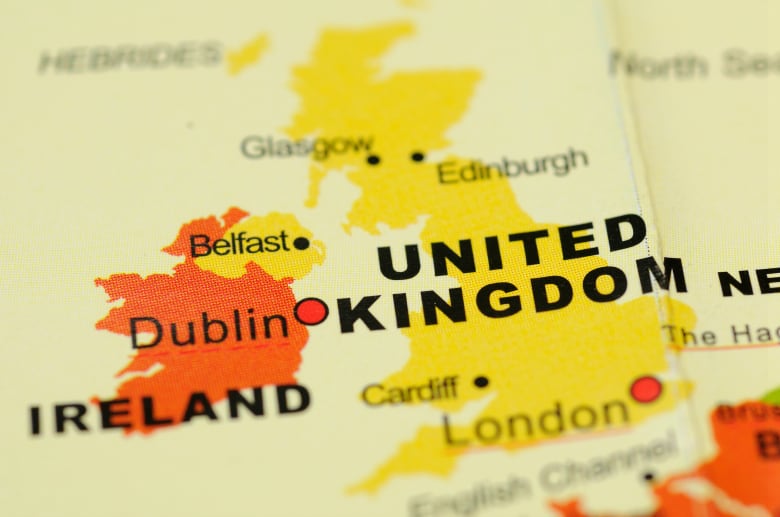

Burnham Government statement on increased English devolution
06 August 2026
CaSE looks at the devolution plans and what they might mean for UK R&D.

Update on the new UKRI strategy and delivery plan
16 July 2026
UKRI have published a new strategy and delivery plan for the financial year 2026-27. CaSE takes a look at the details.